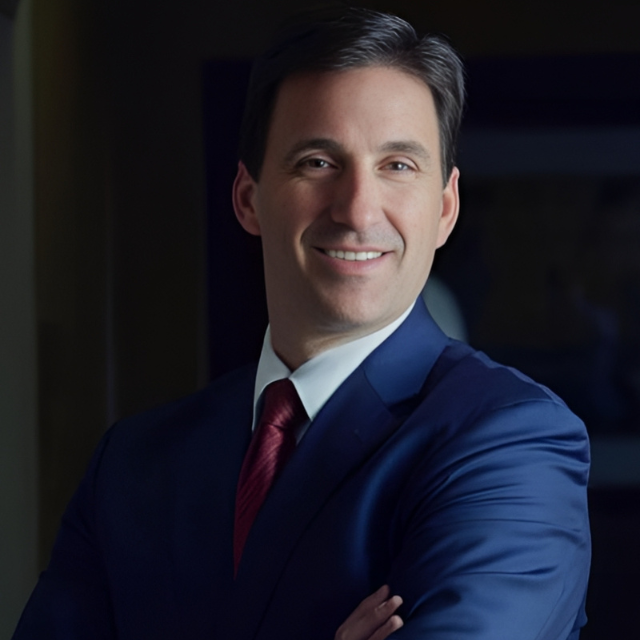
Richest-ever transition deals for switching firms have put financial advisors "in the catbird seat."
So offers Frank LaRosa, founder and CEO of Elite Consulting Partners, in an interview with ThinkAdvisor.
LaRosa, a former Smith Barney and Prudential Securities advisor, anticipates "another record year of recruiting."
Competition for independent advisors is "driving the recruiting business," says LaRosa, the host of "Advisor Talk with Frank LaRosa," a podcast.
Ownership of their practice has become an increasing priority, he notes. Breakaway wirehouse advisors want to build "enterprise value long-term" in preparation of selling their business.
In the interview with LaRosa, previously an executive director of large complexes at Morgan Stanley before opening his own shop in 2011, he discusses the "No. 1 biggest mistake" that advisors make when leaving one firm for another and the "higher level of services" they're seeking.
Here are highlights of our conversation:
THINKADVISOR: What's happening in the world of advisor recruiting?
FRANK LaROSA: It's going to be another record year of recruiting. The firms are being more competitive than ever before. Consolidation helps that a little bit.
Certainly, when LPL [Financial] acquired Commonwealth [Financial], it sent a message across the board to firms and advisors: "This is the way it's going to be."
So if you're at a small firm, what will you do to grow? Will you take that call from the banker and sell to LPL [or a different firm]? Even on the W-2 side, there will be some firms that may be going down that path.
I can see Stifel strongly considering [selling]. That's what the smaller and midlevel regional firms have to do to stay competitive.
THINKADVISOR: How would you characterize the deals being offered to advisors?
LaROSA: The deals have never been higher. I don't expect them to come down anytime soon.
A $1 million producer looking to sell their practice is getting a higher valuation than ever. I don't see that stopping soon.
The advisors are in the catbird seat because the deals are so big. This definitely gives an advisor the option not to sell their practice in order to have some type of partial monetization.
The activity level in recruiting has risen so high and is so aggressive that it's made the recruiter's role even more important than before.
THINKADVISOR: What's chiefly driving the recruiting business?
LaROSA: Competition for independent [advisors]. Private equity, family offices and various groups are coming in with pools of money to buy into the industry because of the consistent cash flow.
They're paying up for RIAs and individual firms, forcing the broker-dealers that are already in the business to pay up.
Price compression is the other factor why firms are being so aggressive. [To grow their business], the advisor needs more assets to continue to grow their top-line revenue and profitability. But that's become harder and harder because ROAs keep going down. The only solution is more assets billing at that lower rate. Price compression will continue.
THINKADVISOR: What are the biggest mistakes that advisors make when leaving a firm?
LaROSA: The No. 1 biggest mistake is only focusing on the money. No. 1a is focusing on the upfront money versus the ongoing economics:
How much money are you going to make and generate at that firm? Is there an admin fee? Do they charge a tech fee? An affiliation fee? Are they nickel-and-diming you, or is it all bundled? An advisor might end up getting a lower payout for the next 10 years, and that might cost them a million bucks.
THINKADVISOR: What's another major mistake?
LaROSA: Too many advisors move firms to solve problems they're having right now: "I hate my manager." "Compliance is difficult." "I just want to go and take a check." That is, they're too emotional about leaving.
What they don't focus on is: "I'm at $2 million, and I want to get to $20 million. What firm is going to help me get there faster?"
THINKADVISOR: What are the other top things that advisors look for when they want to switch firms?
LaROSA: Aside from the transition dollars, it's firms that have more capabilities to help them grow their business faster. That could be technology-related or the support staff. Some firms have a practice management solution called a growth team.
They work with the advisor on identifying points in their business where they can gain efficiency to grow faster; for example, building systems and processes. That allows the advisor to spend more time with clients and therefore grow the business.
Firms have to deliver a higher level of service to their advisors. That's what they're looking for.
Your firm may give you a high payout, but if they're not doing anything else for you, they're no different from [most] other firms out there.
THINKADVISOR: What else do advisors want?
LaROSA: More and more it's about branding and ownership of the practice. One of the reasons you see so many W-2 advisors going independent is that [the issue is] owning their business and building enterprise value long-term.
THINKADVISOR: Not long ago, advisors didn't talk much about wanting ownership. Right?
LaROSA: Yes. Business ownership has become more and more important because of M&A activity; firms are coming in and buying parts of a business too.
Advisors can get a higher multiple than they would at a [wirehouse] because there, they don't own the book. At a wirehouse, they're getting a multiple of 2 1/2 or, maybe, three times.
But if a $3 million practice, say, were to sell in an independent structure, where the advisor owns the book, it could sell for a multiple of four, five or even six times.
All this has been apparent in the last five or six years, though it's always been there, under the radar. Part of the reason is that tech capabilities weren't [developed and available] as much as they are now. So when you went independent, it was all about payout and giving up those technology and support capabilities at the wirehouse.
All of these things factor into why advisors have to be more aggressive in bringing on as much advisory assets as they possibly can as price compression continues — which it will.
THINKADVISOR: How does that host of changes affect you as a recruiter?
LaROSA: It's great for us. There are now so many options for an advisor to consider that it can get very confusing for them to think about where they want to go: A hybrid RIA? An independent broker-dealer? Start their own RIA? Join an RIA? Go to another W-2 firm?
All the firms say the same stuff about why theirs is the best. So we become the quarterback to make sure they get to the firm [that will help them] reach what they're ultimately trying to achieve, short-term and long-term. Then we help them negotiate the deals.
Courtesy photo
© Arc, All Rights Reserved. Request academic re-use from www.copyright.com. All other uses, submit a request to TMSalesOperations@arc-network.com. For more information visit Asset & Logo Licensing.