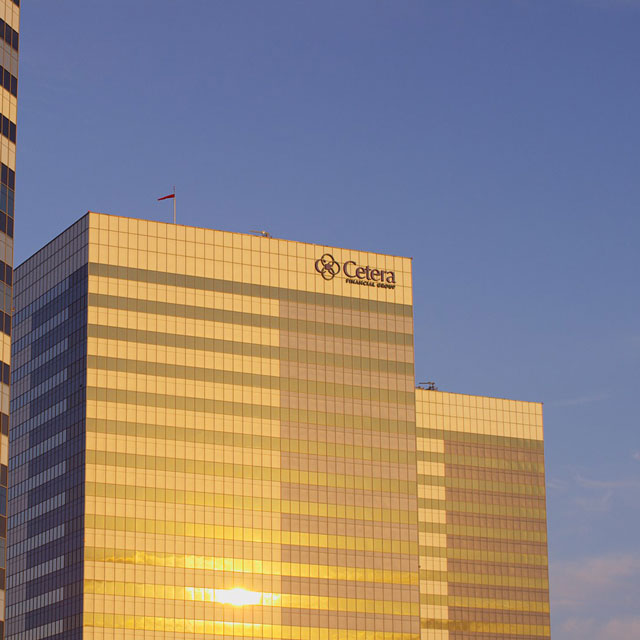
Cetera Financial Group and Cetera Investment Services were hit with a class action lawsuit last week to recover alleged damages related to the firms' automatic cash sweep program, the FlexInsured Account Program.
According to the lawsuit, filed in the U.S. District Court for the Southern District of California, Cetera "breached fiduciary and contractual duties by sweeping customers' cash into low-yield FDIC-insured accounts, while keeping a large share of the higher interest earnings through fees and revenue-sharing arrangements with participating banks."
The complaint claims that Cetera "failed to adequately disclose these conflicts of interest and the extent of their profits, causing customers to receive significantly lower returns than they could have earned through comparable market alternatives."
Cetera's own disclosures "acknowledged that 'rates of interest paid with respect to FlexInsured Accounts will generally be lower than the rate of return from a money market mutual fund,'" according to the suit. Yet Cetera "designated their FDIC-Insured Programs — not the higher-yielding money market fund alternative — as the default sweep option for eligible accounts, because, as Defendants admitted, they earned more on the Sweep Program."
During the rising interest rate environment from March 2022 through the present, the profits that Cetera has "earned on their customers' cash have grown exponentially," according to the suit.
"Rising interest rates should have presented an opportunity for Defendants' customers to earn more on their uninvested cash. However, Defendants continue to exploit this opportunity for their own benefit, extracting the high rates of interest for themselves and thwarting their customers from receiving the reasonable returns they were legally entitled to," the suit continues. Cetera disguises the returns the firm keeps "as 'fees' for administering" the sweep programs.
"However, in reality, they receive kickbacks from the Program Banks on the profits they are able to obtain by investing or loaning out customers' cash at significantly higher rates of interest," the suit maintains. "By improperly keeping the interest rates paid on the cash sweep accounts low and sharing the interest profit" with the banks, Cetera aligned itself "with the banks to maximize their own profits, rather than the customers to which they owe contractual and fiduciary duties."
At year-end 2022, the suit states, "Fidelity paid 2.21% interest on cash balances regardless of tier, and R.W. Baird paid between 1.58% interest (on cash balances up to $1 million) and 3.08% interest (on cash balances above $5 million)."
By contrast, Cetera has "been paying interest rates as low as 0.06% — virtually nothing," the suit states. "The federal funds target rate continued to increase in 2023, hitting an effective yield of 5.33% on July 27, 2023. As the federal funds rate increased, so too did Fidelity and R.W. Baird continue to increase the rates they paid on swept cash. Defendants, by contrast, continued to pay close to no interest."
Further, comparable brokerages paid substantially higher rates on swept cash, the lawsuit maintains.
"For example, Fidelity swept customers' cash into a money market mutual fund yielding over 3.30%, Vanguard offered yields of 3.04% to 3.62%, and R.W. Baird offered approximately 3.54%. By contrast, Defendants paid a tiny fraction of these market rates," the suit states.
Cetera didn't respond to a request for comment.
Courtesy photo
© Arc, All Rights Reserved. Request academic re-use from www.copyright.com. All other uses, submit a request to TMSalesOperations@arc-network.com. For more information visit Asset & Logo Licensing.