
Great Falls, Montana, experienced a 9.8% increase in the cost of living in 2025, the highest in the nation, according to new report from SmartAsset. Still, the city was 3.5% less expensive than the U.S. average.
In contrast, Meridian, Mississippi, saw the biggest decline in cost of living, with common expenses falling by 4%.
The cost-of-living premium in a specific location reflects the cost of housing, groceries, utilities, transportation and other common necessities relative to the rest of the country, SmartAsset noted. The overall valuation of a dollar is also a factor, with general inflation metrics keeping tabs on nationwide trends and applied across a wider basket of goods and services.
Fit these local and monetary measurements together, and local residents and potential transplants have a window into how far their budget will go, or why it may feel as if it has changed.
SmartAsset researchers compared relative cost of living data for essentials — including housing, utilities, transportation and medical costs — across 236 cities with available data from the Council for Community and Economic Research; for New York City, they used borough-specific data.
Researchers compared average cost data for 2025 to that of 2024 after adjusting relative cost rankings for inflation to determine both the percent increase in dollars needed to cover the designated basket of essentials, and costs in relation to the national average.
See the gallery for the 12 cities with the highest cost of living relative to the national average in 2025.
12. Washington, D.C.
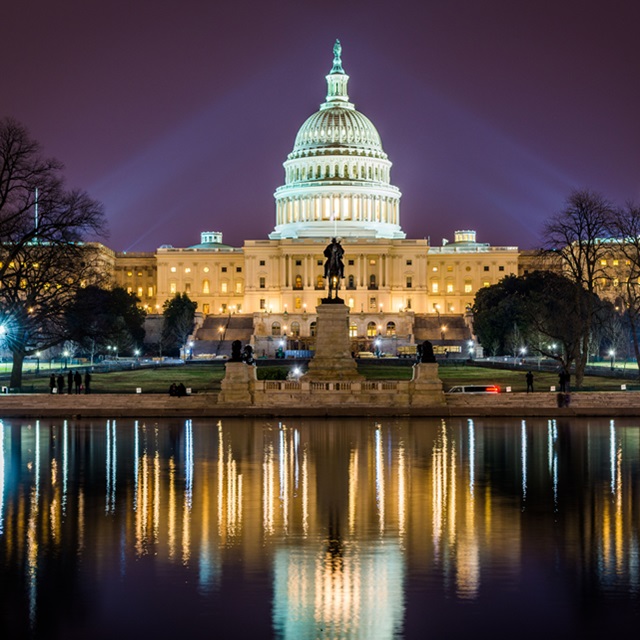
COL relative to national average: 37.8% higher
One-year change: -0.6%
11. Seattle
COL relative to national average: 44.6% higher
One-year change: 2%
10. San Diego

COL relative to national average: 47.4% higher
One-year change: 3.9%
9. Boston
COL relative to national average: 48.5% higher
One-year change: 4.2%
8. Los Angeles–Long Beach

COL relative to national average: 52.4% higher
One-year change: 4.5%
7. Queens, New York
COL relative to national average: 53.8% higher
One-year change: 5.1%
6. San Francisco

COL relative to national average: 63.7% higher
One-year change: 0.5%
5. Orange County, California
COL relative to national average: 63.8% higher
One-year change: 7.3%
4. Brooklyn, New York

COL relative to national average: 64% higher
One-year change: 4.2%
3. Honolulu
COL relative to national average: 83.9% higher
One-year change: 0.8%
2. San Jose, California

COL relative to national average: 84.1% higher
One-year change: 4.3%
1. Manhattan, New York
COL relative to national average: 139% higher
One-year change: 6.1%
© Arc, All Rights Reserved. Request academic re-use from www.copyright.com. All other uses, submit a request to TMSalesOperations@arc-network.com. For more information visit Asset & Logo Licensing.