 Credit: Thinkstock
Many clients who receive Social Security Disability Insurance, or SSDI, think Medicare starts at age 65.
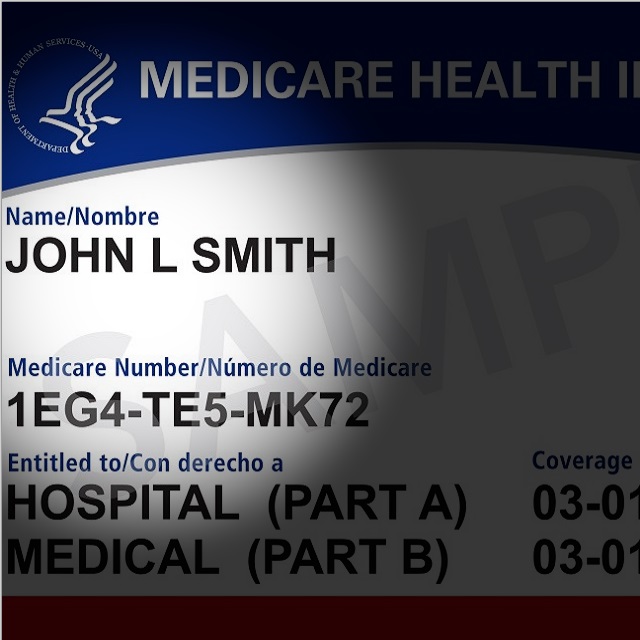
Then a Medicare card arrives years earlier, and the questions come quickly.
Are they covered now? What will it cost each month?
Do they need to enroll, or does it happen automatically?
And how does Medicare fit with Medicaid, employer coverage or coverage through a spouse?
For advisors, this transition can be straightforward in theory and stressful in practice.
The eligibility rules are clear, but the timing and the cost of Part B, along with decisions about prescription coverage and managed care options, can affect a client's budget and access to care.
The Question
My client is receiving SSDI. When will they qualify for Medicare, and what do they need to do to enroll?
The Answer
In most cases, Medicare begins after a 24-month waiting period tied to the month a client becomes entitled to SSDI cash benefits.
The clock does not start on the disability onset date, and it may not match the date the client applied.
A simple way to explain it is this: once SSDI cash benefits begin, Medicare usually follows 24 months later.
If a client is unsure where they are on the timeline, the key is confirming the first month of SSDI entitlement, since that month drives the Medicare effective date.
What Happens In Month 25
After 24 months of SSDI entitlement, most beneficiaries are automatically enrolled in Medicare Part A, which covers hospital care, and Medicare Part B, which covers medical services.
Coverage typically begins on the first day of month 25. The Medicare card usually arrives before the start date.
Because enrollment is automatic in most cases, clients generally do not need to file a separate Medicare application.
Even so, this is often when clients need help understanding what Medicare covers, what it does not cover, what it will cost and how it works with any other coverage in the household.
The Part B Conversation Advisors Should Have Early
Part A is generally premium-free for people with enough work history.
Part B has a monthly premium, and for many SSDI beneficiaries it is deducted from the SSDI benefit. Clients often notice that reduction immediately.
Clients can decline Part B, but that's a decision with serious consequences. Delaying Part B can leave gaps in coverage for outpatient care and physician services.
It can also result in late-enrollment penalties if the client enrolls later without a qualifying enrollment period.
Advisors may need to flag that some higher-income beneficiaries pay an additional amount called an income-related monthly adjustment amount, or IRMAA.
Many SSDI recipients will not meet the income thresholds, but households with other income sources should check so that this premium adjustment does not come as a surprise.
A practical way to frame it is simple: Medicare may start automatically, but the premium and coverage decisions still need a plan.
Two Exceptions Worth Knowing
Two groups may get Medicare sooner than the standard 24-month timeline.
People diagnosed with amyotrophic lateral sclerosis, or ALS, are eligible for Medicare the same month SSDI cash benefits begin.
People with end-stage renal disease, or ESRD, can qualify for Medicare under separate rules. The coverage start date depends on factors such as dialysis and transplant timing.
After Medicare Starts, Coverage Choices Matter
Once a client is enrolled in Medicare, beneficiaries under 65 generally have access to the same basic coverage pathways as age-based enrollees.
They may choose:
◆ Original Medicare (Part A and Part B) and add a stand-alone Part D prescription drug plan for medication coverage. Depending on the state and plan availability, they also may be able to enroll in a Medigap policy to help cover deductibles, coinsurance and other out-of-pocket costs.
◆ Medicare Advantage (Part C), which bundles Part A and Part B and often includes prescription drug coverage, operating with its own provider networks and cost-sharing structure.
This stage is often where advisor guidance adds the most value.
Many beneficiaries with disabilities depend on medical specialists, ongoing therapies, durable medical equipment and prescription medications for their health needs.
Provider participation, plan rules, formularies and overall out-of-pocket exposure should be reviewed carefully to help avoid disruptions in care or unexpected costs.
Employer Coverage Coordination Can Create Problems If It Is Not Addressed
Some SSDI beneficiaries try returning to work through Social Security work incentives and the Ticket to Work Program.
Medicare may continue during certain work periods, but coordination with employer coverage depends on the employer and the plan.
For clients considering delaying or declining Part B, what matters most is whether they have group health plan coverage based on current employment, and how that coverage coordinates with Medicare.
Clients often assume employer insurance makes Medicare decisions simple. Sometimes it does. Sometimes it leads to gaps or penalties later if the details are missed.
A practical approach is to treat any employment-related health insurance change as a checkpoint.
Confirm who pays first, what the plan requires and what options the client will have for later enrollment.
Medicaid And Dual Eligibility
Many SSDI beneficiaries have limited income and may also qualify for Medicaid.
When a client has both Medicare and Medicaid, commonly called dual eligible, Medicaid may help with Part B premiums and cost sharing, such as deductibles and coinsurance.
It may also reduce prescription drug costs.
In addition, some clients may qualify for a Medicare Savings Program, which can reduce Medicare-related costs.
A Client-Centered Planning Mindset
Even when Medicare enrollment is automatic, the shift from SSDI alone to SSDI plus Medicare is a financial and coverage turning point.
Premium deductions begin. Coverage structures change. Coordination rules suddenly matter.
Advisors can keep the conversation focused by grounding it in a few essential questions:
◆ When does Medicare start, and what changes that month?
◆ How much will Part B reduce the SSDI benefit?
◆ Which providers, therapies and prescriptions must remain accessible?
◆ Is there other coverage in play, and how does it coordinate with Medicare?
◆ Which decisions are time-sensitive, and which can be revisited later?
Handled thoughtfully, this transition is not simply about a card arriving in the mail.
It is about preserving continuity of care, preventing coverage gaps and aligning premiums, cost sharing and provider access with a client's long-term financial plan.
For clients living on disability income, predictability matters.
Clear guidance at month 25 can help ensure Medicare works as a stable foundation rather than an unexpected disruption in an already complex chapter of life.
Tricia Blazier is director of Healthcare Insurance Services at Allsup.
© Arc, All Rights Reserved. Request academic re-use from www.copyright.com. All other uses, submit a request to TMSalesOperations@arc-network.com. For more information visit Asset & Logo Licensing.