 Credit: Thinkstock
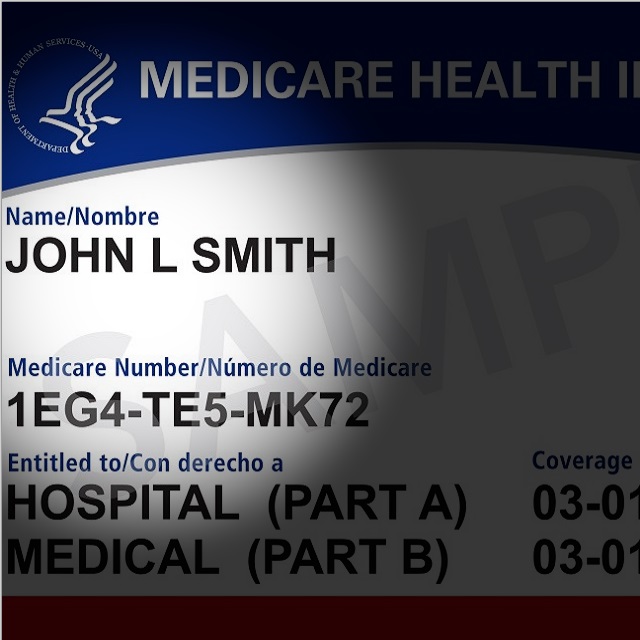
Medicare changes that are taking effect this year affect how beneficiaries enroll, what they pay for coverage and how prescription drug benefits work. Many of these updates continue implementation of provisions in the Inflation Reduction Act of 2022 and related policies finalized by the Centers for Medicare & Medicaid Services.
Some of the recent Medicare changes are designed to make health care more affordable, especially when it comes to prescription drugs. These updates can bring real savings for people, but they also make it more important for clients over 65 and their advisors to understand how Medicare works.
Knowing when to enroll, how plans are structured, and what changes from year to year can help clients avoid paying more than they need to. Missing key details can lead to higher out-of-pocket expenses, gaps in coverage or late enrollment penalties that can last for years.
If you work with clients affected by these rules and are not a Medicare advisor yourself, you need to learn as much as you can about the rules, talk to your compliance about this topic, and find out what your compliance advisors and other advisors and supervisors want you to do about guiding clients in need of authoritative Medicare enrollment advice.
What Clients Now Pay For Medicare Part B
Monthly costs for Medicare Part B are going up slightly. This year, the standard premium is $202.90, and the yearly deductible is $283.
If clients wait too long to sign up for Part B, they could face a late enrollment penalty. This usually means a client's monthly premium goes up by 10% for each full 12-month period the client delayed. Most people have to pay this penalty for as long as they have Part B, so enrolling on time is important.
Another concern comes up for people who are unsure how COBRA or retiree health coverage affects their Medicare enrollment. If clients are still working and have health insurance through a group health plan based on current employment through their employers or their spouses' employers, they can usually delay signing up for Medicare Part B without paying a late penalty. When that job or employer coverage ends, Medicare gives those clients a special enrollment period to sign up for Part B. This period lasts for eight months.
It's important to know that this rule only applies if the coverage is through active employment. Health benefits through COBRA or a retiree plan do not count as active coverage under Medicare rules. If clients wait to enroll in Part B while using COBRA or retiree coverage, they could miss your enrollment window. That may result in a permanent late enrollment penalty and a gap in clients' Medicare coverage.
The eight-month special enrollment period begins the month after clients' employment or their employer health coverage ends, whichever happens first. Knowing when clients' coverage ends and when their enrollment window begins can help the clients avoid costly mistakes.
SEP rules vary depending on whether the clients are enrolling in Original Medicare (Part A and Part B) or changing a Medicare Advantage or Part D plan.
Special Enrollment Periods
Some people qualify for extra time to sign up for Medicare through what is called a special enrollment period for reasons other than use of employer plan coverage. These exceptions to the regular sign-up windows are available only in specific situations. For example, clients may qualify if they recently lost Medicaid, were affected by a natural disaster, or experienced an enrollment error caused by their employer or health plan.
Each case is different, and the rules can be strict. Clients often need to provide documentation, and the time to enroll is limited. If clients assume they are eligible without confirming first, they could miss their opportunity and face a late-enrollment penalty or a gap in coverage.
Prescription Drug Coverage Changes
New Medicare rules are taking steps to make prescription drug costs more manageable.
Starting this year, if clients have a Part D plan, their out-of-pocket costs for Part D covered medications will be limited to $2,100 for the year. Once clients reach that amount, they pay $0 in cost sharing for those drugs for the rest of the year.
The maximum deductible for Part D plans this year is $615. However, some plans may offer lower deductibles or no deductible at all, depending on the coverage clients choose.
Beneficiaries may also use the Medicare Prescription Payment Plan. This option allows out-of-pocket prescription drug costs to be spread across monthly payments rather than paid primarily at the pharmacy earlier in the year. While it may help with cash flow, total annual drug costs do not change.
In addition, negotiated prices for the first 10 prescription drugs selected under Medicare's drug price negotiation program took effect Jan. 1. The Medicare negotiation program was created by the Inflation Reduction Act. The financial impact of negotiated prices on beneficiaries varies by drug and plan.
Medicare Advantage and Plan Shopping Considerations
Medicare Advantage plans can change from year to year, even when plan names remain the same.
Formularies, pharmacy networks, provider networks and cost-sharing rules may all shift, affecting total annual costs and access to care.
CMS has finalized updates to how Medicare Advantage and Part D plans are evaluated this year.
While quality ratings, including CMS star ratings, can be helpful, they are only one factor to consider when comparing plans, and updates to how ratings are measured may affect how they should be interpreted.
Tricia Blazier is director of Healthcare Insurance Services at Allsup.
© Arc, All Rights Reserved. Request academic re-use from www.copyright.com. All other uses, submit a request to TMSalesOperations@arc-network.com. For more information visit Asset & Logo Licensing.