 Credit: Shutterstock
The Centers for Medicare and Medicaid Services has unveiled a draft of the first private Medicare plan regulations prepared during the administration of President Donald Trump.
CMS is an arm of the U.S. Department of Health and Human Services. If approved, the regulations would apply to the coverage in place in 2027, not to 2026 coverage.
For advisors who don't sell Medicare plans but who do talk to older clients about their health coverage headaches, the big news may be a provision that could help a client with Medicare Advantage plan coverage when the client's doctor or hospital leaves the plan's provider network.
Medicare plan distributions, agents and brokers will want to read sections discussing CMS plans to streamline the current "third-party marketing organization" regulations.
Health insurers may be interested in provisions that could overhaul the "Star" plan quality rating system and add 15 drugs — including the weight-loss drug Wegovy — to the list of drugs subject to Medicare program price negotiations with the manufacturers.
The 465-page draft regulation packet was signed by Robert F. Kennedy Jr., the HHS secretary.
Dr. Mehmet Oz, the CMS administrator, said in a comment about the draft that he thinks the regulations are better than what the administration of President Joe Biden put in place for 2025.
"Using the same process with a bolder direction, we have achieved substantially better outcomes," Oz said.
What it means: CMS expects the Medicare Advantage and Medicare Part D prescription drug programs to operate in roughly the same way in 2027 as in 2026, but some of the rules adopted while President Joe Biden was in office may be narrowed or eliminated.
Medicare Advantage and Medicare Part D: Medicare Advantage helps about 35 million of the 69 million Medicare program enrollees pay the many deductibles, coinsurance bills and other bills built into the "original Medicare" program.
About 24 million Medicare enrollees use stand-alone Medicare Part D prescription drug plans to pay for prescription drugs.
Special enrollment periods: Most Medicare Advantage plans use "provider network" agreements to try to hold down the cost of health care and improve the quality.
CMS rules usually lock Medicare Advantage plan enrollees into a plan for most of the year, as part of the effort to keep unhealthy enrollees from rushing into more attractive plans and swamping them with large claims.
Today, when doctors or hospitals leave a Medicare Advantage plan's provider network in the middle of the year, patients have to go through a complicated process to switch plans, unless CMS has decided that a plan has experienced a "significant change" in its provider network.
The new proposed regulations will let a client affected by a midyear provider termination change plans easily, even if CMS has not decided that the provider's departure is part of a significant plan provider network change.
Third-party marketing organizations: The term TPMO could refer to an agent, a broker, a field marketing organization or other types of individuals or entities involved with insurance marketing, distribution or sales.
CMS officials said in the preamble, or official introduction, to the new draft regulations that they want to get public comments on ways they can:
- Let agents and brokers hold sales meetings with Medicare plan prospects shortly after holding educational seminars or other events.
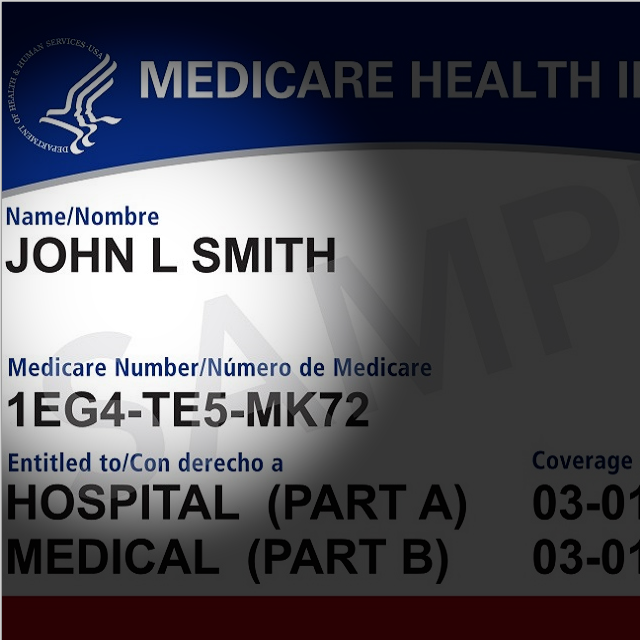
- Eliminate the need for TPMOs to get CMS approval to use a standard Medicare card image in marketing materials.
- Narrow client call recording obligations and, possibly, reduce the recording retention timeframe from the current 6-year minimum.
- Be more flexible about when agents and brokers can tell consumers whether they offer all of the Medicare plans available in a consumer's market and how to get more information.
Comments on the draft regulations are due Jan. 26, 2026.
CMS officials said they also want to define different types of TPMOs and, possibly, apply different rules to different types of TPMOs.
CMS still wants to "hold 'bad actors' accountable," but it wants to reduce the regulatory burden on TMPOs and Medicare plans that comply with CMS requirements, officials said.
State Health Insurance Assistance Programs: States offer volunteer-driven ombudsman programs that give consumers advice about Medicare concerns.
In recent years, CMS has required agents and brokers to list SHIP programs as a possible source of information when they tell consumers where to get more Medicare information.
CMS now wants to take SHIPs off the list of information sources included in the "more information" statement.
Some SHIPs have volunteers who can handle complicated Medicare coverage questions, but some don't, and CMS thinks consumers should call CMS if they have complicated Medicare coverage questions, officials said.
Medicare Advantage plan Star ratings: CMS wants to eliminate some measures that reflect administrative process performance, officials said.
CMS hopes to add a depression screening and follow-up measure.
Medicare Part D prescription drug coverage: Traditionally, Congress prohibited CMS from negotiating with drug manufacturers for lower drug prices for Medicare enrollees, for fear that the huge size of the Medicare program would give it too much clout over the manufacturers.
The Inflation Reduction Act of 2022 is phasing in a program that lets Medicare program managers bargain for lower prices for some drugs.
CMS created a 15-drug list a year ago for 2026 coverage, and it's now adding 15 types of drugs to the negotiation list.
The new additions to the CMS drug negotiations list include Ozempic, Rybelsus and Wegovy — three versions of semaglutide made by Novo Nordisk.
Patients can use semaglutide to control diabetes, obesity and other conditions.
Officials estimated that 2.3 million Medicare Part D enrollees used the Novo Nordisk semaglutide drugs during the 12-month period ending in October 2024. The semaglutide drugs used by the Medicare enrollees cost a total of $14 billion.
Other additions to the drug negotiation list include Trelegy Ellipta, an asthma drug; Xtandi, a drug for prostate cancer; and Ibrance, a drug for breast cancer.
Credit: CMS
© Arc, All Rights Reserved. Request academic re-use from www.copyright.com. All other uses, submit a request to TMSalesOperations@arc-network.com. For more information visit Asset & Logo Licensing.